

Planning a trip to Gatlinburg, Tennessee puts you at the doorstep of America’s most visited national park, where 800 miles of hiking trails meet a walkable downtown packed with attractions, restaurants, and mountain views. Whether you’re chasing waterfalls in the Smokies or sampling moonshine on the Parkway, getting your planning right makes the difference between a stressful vacation and an unforgettable adventure.
This guide covers everything you need to visit Gatlinburg successfully: optimal timing, trip length recommendations, accommodation choices, must-see attractions, and practical logistics for navigating this busy mountain town. First-time visitors and families will find actionable advice for building an itinerary that balances outdoor adventure with entertainment, while avoiding common mistakes that catch unprepared travelers off guard.
The essential steps to plan your Gatlinburg trip: Choose your travel dates based on crowd levels and weather preferences, book accommodations early (especially for peak seasons), decide between downtown hotels or mountain cabins, and map out a realistic itinerary that accounts for drive times and parking challenges.
By the end of this guide, you’ll be able to:
Sorry, Cabins can’t be previewed in the block editor. You can instead save this post as a draft to preview before publishing.
Gatlinburg is a small resort town of roughly 4,000 permanent residents nestled in a narrow valley along the West Prong of the Little Pigeon River. Despite its modest size, this Tennessee mountain town serves as the primary eastern gateway to Great Smoky Mountains National Park, welcoming over 13 million annual visitors who come to explore dense forests, cascading waterfalls, and elevations exceeding 6,000 feet.
The town functions as the perfect basecamp for Smokies adventures because it combines immediate park access with a dense concentration of dining, shopping, and entertainment options within walking distance.
The national park’s main northern entrance at Sugarlands Visitor Center sits just a couple of miles from downtown Gatlinburg, meaning you can literally walk from the strip into protected wilderness. This geographic advantage makes morning hikes practical—head out early, hit the trails, and return to town for a late lunch without spending hours in transit.
Gatlinburg connects to Pigeon Forge about 10 minutes north, creating a continuous tourism corridor. While Gatlinburg vs. Pigeon Forge offers the scenic mountain atmosphere and closest park access, Pigeon Forge provides Dollywood, dinner shows, and attractions that appeal to the whole family seeking theme-park entertainment.
The town blends natural beauty with tourist attractions in a way few destinations match. You can spend your morning hiking to a waterfall, your afternoon at Ripley’s Aquarium of the Smokies, and your evening sampling craft moonshine at Ole Smoky Distillery—all without moving your car.
This dual identity traces back to the 1930s when Great Smoky Mountains National Park was established and Newfound Gap Road connected Gatlinburg to Cherokee, North Carolina. The town’s Appalachian heritage shows up in craft fairs, old-time music, and the arts scene along the eight-mile Arts & Crafts Loop, where over 100 shops and galleries showcase local craftsmanship.
Understanding this blend of nature and entertainment helps you plan an itinerary that captures what makes Gatlinburg worth the trip—which brings us to how much time you actually need.

The right trip length depends on whether you’re focused on Gatlinburg alone or want to experience Gatlinburg, Pigeon Forge, and multiple days in the national park. Most travel experts recommend at least three full days for Gatlinburg-focused trips, with four to six days ideal for visitors who want to add Dollywood or extensive hiking.
A short trip requires tight prioritization. Focus on the experiences that define Gatlinburg and can’t be replicated elsewhere.
Day 1: Arrive and explore downtown Gatlinburg along the Parkway. Walk the strip to get oriented, then head to Gatlinburg SkyPark for North America’s longest pedestrian cable bridge. The SkyBridge includes a glass-floor section where you can look straight down to the valley below—thrilling for most visitors, though those with height concerns might skip looking down. End with dinner at one of the restaurants lining the Parkway.
Day 2: Dedicate the morning to Great Smoky Mountains National Park. Hike Laurel Falls (a 2.6-mile round trip to a 80-foot waterfall) or explore trails near Sugarlands Visitor Center. Afternoon options include Ripley’s Aquarium, the 400-foot Space Needle observation tower, or moonshine tastings at the downtown distilleries.
Day 3: If time allows, visit Ober Mountain via the scenic aerial tramway from downtown. The mountain coaster, chairlift, and wildlife encounters make this a fun last day before heading home. Grab breakfast at a local pancake house—a Smokies tradition—before you check in your bags and depart.
With more time, you can explore beyond the main attractions and discover what makes this region special.
Add the Arts & Crafts Loop for an afternoon of shopping among local artisans creating pottery, leather goods, and traditional crafts. Drive Newfound Gap Road—a 33-mile scenic route that climbs 3,000 feet to a 5,046-foot overlook with stunning mountain views. Consider a day trip to Clingmans Dome, the highest point in the Smokies at 6,643 feet.
An extra day also means experiencing Gatlinburg at night. Stroll the neon-lit Parkway after dark, catch a show at a local theater, or relax on your cabin deck watching the lights of town below.
A week lets you relax into the mountain pace rather than rushing between attractions.
Dedicate two or three days to serious hiking trails in the national park—Alum Cave, Chimney Tops, or Grotto Falls offer varying difficulty levels. Try whitewater rafting on the Pigeon River, where outfitters offer everything from gentle floats for families to Class III-IV rapids for adventure seekers.
Add a full day at Dollywood in Pigeon Forge. The theme park easily fills 8-10 hours with rides, shows, and seasonal events. If visiting with kids, the Pigeon Forge water parks make excellent hot-weather additions.
A longer stay also lets you explore hidden gems off the beaten path: quiet trails that don’t fill up by 9 AM, local restaurants the tour buses miss, and seasonal events like craft fairs or concerts that happen throughout the year.
Key insight: Trip length affects not just what you see, but how you experience it. Rushed weekend visitors often leave feeling they missed the point. Four or more days lets you balance adventure with the relaxation these mountains are meant for.
With your trip length decided, the practical elements of timing, lodging, and transportation determine whether your vacation runs smoothly or gets derailed by avoidable problems.
Gatlinburg’s seasonal rhythm dramatically affects crowds, prices, and available activities.
Peak Seasons:
Shoulder Seasons:
Best value windows: Late April through May and late October through mid-November (after peak foliage) offer the balance of good weather, manageable crowds, and reasonable prices.
Gatlinburg offers diverse lodging that shapes your daily experience. Your choice affects everything from parking costs to morning routines.
Factor | Downtown Hotels | Mountain Cabins | Pigeon Forge Area |
|---|---|---|---|
Park Access | 5-10 min drive | 15-30 min drive | 20-35 min drive |
Walkability | High—stroll to attractions | Low—car required for everything | Moderate—some walkable strips |
Atmosphere | Busy, convenient | Private, scenic | Family entertainment focused |
Best For | Short trips, nightlife seekers | Groups, romantic getaways, long stays | Dollywood-focused trips |
Price Range | $$ – $$$ (higher on weekends) | $$ – $$$$ (varies by size/view) | $ – $$$ (more options) |
Parking Stress | Eliminated if staying downtown | None—private parking | Generally easier lots |
Cabin considerations: Mountain cabins range from rustic one-bedroom retreats for couples to multi-bedroom chalets with hot tubs, game rooms, and theater setups for reunions. Many visitors grocery shop upon arrival and cook some meals in, stretching budgets on longer stays. Be aware that cabin access roads can be steep and winding—challenging for drivers unfamiliar with mountain conditions, especially at night or in winter weather.
Downtown hotel advantages: Staying near the Parkway eliminates parking fees and the need to repeatedly navigate traffic. You can walk to distillery tastings without worrying about driving afterward.
Sorry, Cabins can’t be previewed in the block editor. You can instead save this post as a draft to preview before publishing.
Most Gatlinburg visitors arrive by car. The town sits near the intersection of U.S. 441 and U.S. 321, with I-40 (Exit 407) providing the closest interstate access through Sevierville and Pigeon Forge.
Driving reality: Because Gatlinburg occupies a narrow valley at the end of this feeder corridor, traffic backs up significantly during peak periods. The official Gatlinburg Vacation Guide recommends alternate routes that can save an hour or more during busy times.
Flying in: McGhee Tyson Airport (TYS) near Knoxville is the gateway airport, about 60-90 minutes from Gatlinburg depending on traffic. Rental cars are essentially required—public transit options from the airport are limited.
Once in town: The Gatlinburg Trolley system connects major attractions, lodging areas, and even some park trailheads. Using trolleys reduces parking stress and lets you park once in a central location. Note that most downtown parking is paid—budget $10-20 daily if you’re moving your car frequently.
In the park: Private vehicles are the default. No standard park shuttle system exists. Parking at popular trailheads fills early in peak season—plan to arrive before 8 AM for trails like Laurel Falls or Alum Cave. Great Smoky Mountains National Park has no entrance fee, though vehicle parking tags may be required depending on current regulations.
Even well-planned trips encounter obstacles. Anticipating these common challenges saves vacation time and frustration.
During summer and fall foliage season, Gatlinburg’s main corridor can gridlock by mid-morning. Popular hiking trails fill before 9 AM.
Solutions:
Once you head into Great Smoky Mountains National Park, cell service becomes unreliable to nonexistent on many trails.
Solutions:
Mountain weather shifts quickly. Gatlinburg at 1,400 feet elevation can be sunny while Newfound Gap at 5,000+ feet sits in clouds with temperatures 15-20 degrees cooler.
Solutions:
Preparing for these realities means spending your vacation enjoying Gatlinburg rather than scrambling to adapt.
Successful Gatlinburg trip planning comes down to matching your timing, accommodations, and itinerary to your priorities. Choose travel dates that balance weather preferences with crowd tolerance. Select lodging based on whether you prioritize walkability or mountain seclusion. Build an itinerary that reserves mornings for nature and leaves flexibility for the unexpected.
Start planning your trip with these immediate steps:
For deeper planning, explore specific hiking trail guides matched to your fitness level, restaurant recommendations beyond the tourist strip, and seasonal events that could shape your experience. Whether you’re planning a weekend escape or a full week of mountain adventure, Gatlinburg rewards those who arrive prepared.

 7 Top Things To Do in Gatlinburg in February
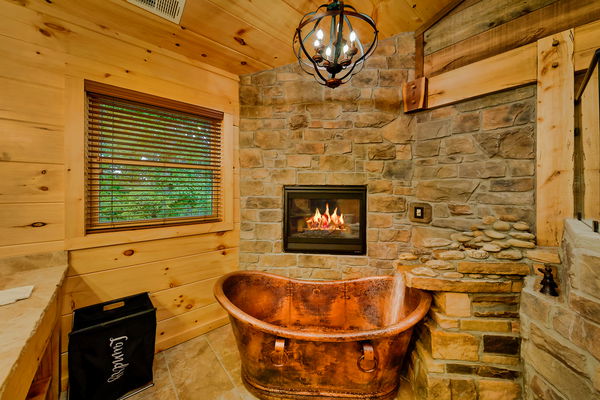 Favorite Cabin Amenities
 Bowling, Racquetball and an Indoor Swimming Pool in Gatlinburg
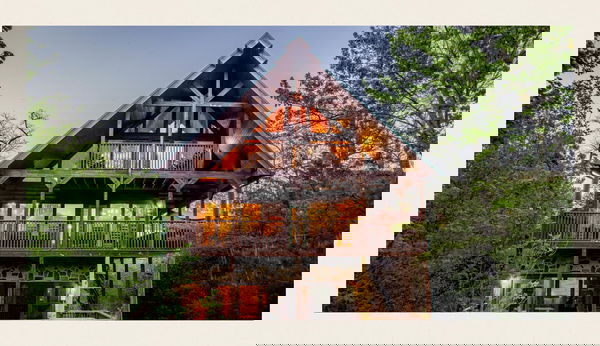 Gatlinburg Cabin Discounts
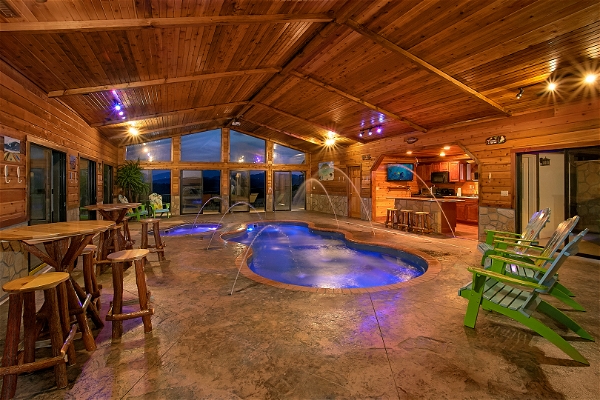 4 Reasons To Rent A Cabin With an Indoor Pool
 Kid Friendly Cabins in Gatlinburg, TN