

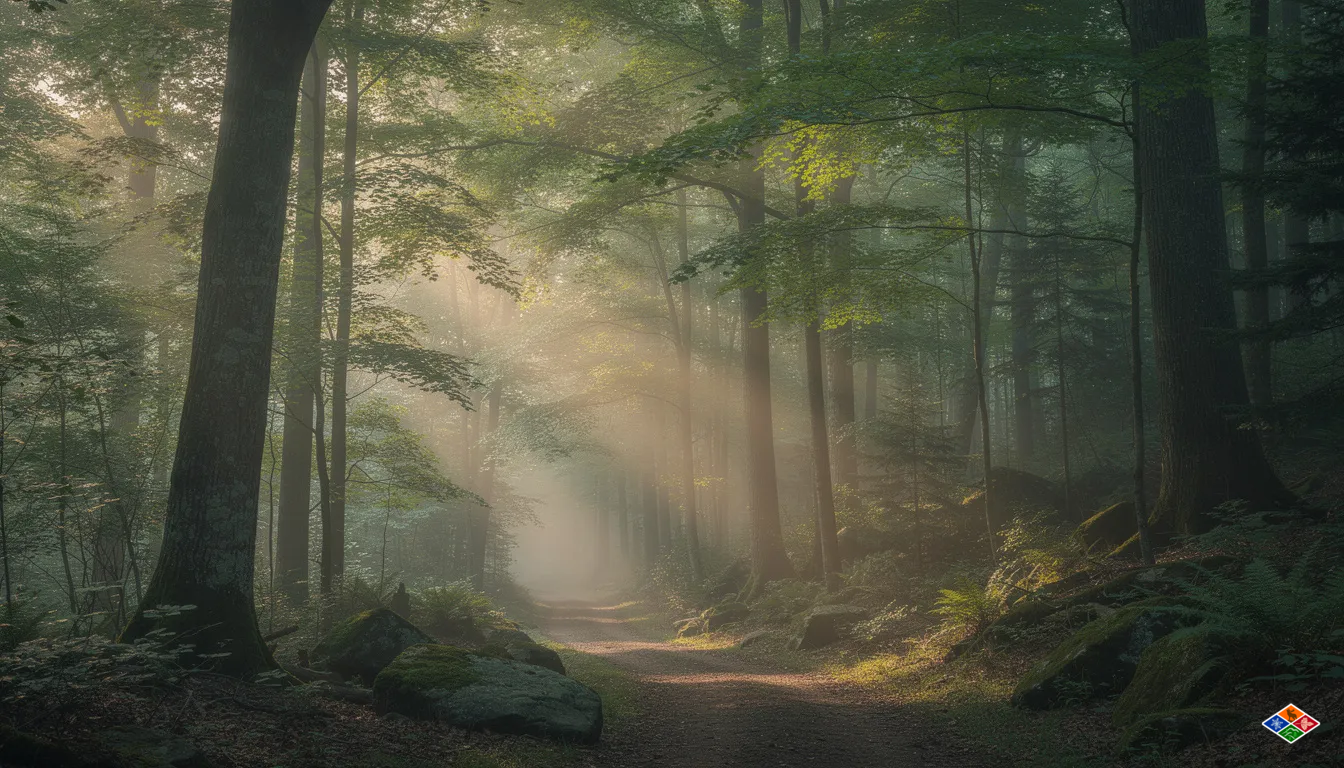
Gatlinburg sits at the doorstep of Great Smoky Mountains National Park, making it one of the premier hiking destinations in the eastern United States. With over 800 miles of hiking trails weaving through ancient forests, past thundering waterfalls, and up to panoramic mountain summits, the Smokies offer something for every type of hiker. The region is also renowned for its mountain biking opportunities, providing even more options for outdoor enthusiasts. But with so many options, figuring out where to start can feel overwhelming—especially when you’re on vacation and want to make the most of your time.
This guide cuts through the noise and focuses on the best trails in Gatlinburg TN that you can easily reach from downtown and from Elk Springs Resort cabins. Most trailheads are just a 10 to 30 minute drive away, meaning you can wake up in your luxury cabin, grab a quick breakfast, and be on the trail before the crowds arrive.
We’ve organized this guide by difficulty level—easy, moderate, and challenging—plus a dedicated section for waterfall hikes and a quick FAQ to answer the most common questions. All driving distances are approximate from downtown Gatlinburg and the Elk Springs Resort area. Trail conditions can change seasonally, so we recommend checking the official NPS website before heading out to confirm current closures and parking information.
Whether you’re traveling with young children, planning a romantic getaway with light hikes, or training for your next big mountain adventure, you’ll find options here that match your goals. Let’s explore the trails that make this corner of Tennessee so unforgettable.
These trails are perfect for families, casual walkers, multi-generational groups, and guests who just arrived at their cabin and want a low-effort outing to stretch their legs. You don’t need special gear or peak physical fitness—just comfortable shoes and a sense of curiosity about the natural world.
Gatlinburg Trail (3.8 miles roundtrip, easy) – This trail holds a special distinction as one of only two dog friendly trails in the entire national park, making it ideal for guests traveling with pets. Starting from the Sugarlands Visitor Center, the route follows the West Prong of the Little Pigeon River all the way to the edge of downtown Gatlinburg. Along the way, you’ll cross scenic footbridges, spot remnants of old homesteads, and enjoy the gentle sounds of the river. If you’re staying in a cabin close to the Parkway, you can even walk from town to the trailhead and make it a relaxing morning or evening stroll.
Cataract Falls Trail (about 1 mile roundtrip, easy) – This short trail starts right behind the Sugarlands Visitor Center and follows Fighting Creek on a wide, mostly flat path. The destination is a photogenic 25-foot waterfall that looks especially impressive after a good rain. The trail is stroller-friendly and perfect for small children, elderly visitors, or anyone who simply wants a quick walk in nature without breaking a sweat. Consider it a great first stop after picking up maps at the visitor center.

Twin Creeks Trail (4.5 miles roundtrip, easy) – This shaded creek-side path feels surprisingly secluded despite being just a short distance from downtown. Spring and summer bring wildflowers and salamander sightings in the streams, while the historic Twin Creeks Science and Education Center adds an educational element to your hike. It’s an excellent choice for multi-generational groups where grandparents and grandchildren can explore together at a comfortable pace.
Metcalf Bottoms Trail (1.5–2 miles, easy) – Starting from the Metcalf Bottoms picnic area, this gentle walk leads to the Little Greenbrier School, an 1880s schoolhouse that still contains original children’s desks. The combination of riverside scenery and mountain history makes it ideal for visitors who want a half-day adventure that includes a picnic lunch. Pack sandwiches, let the kids play by the river, and then wander up to the schoolhouse for a glimpse into Appalachian life over a century ago.
After an easy morning hike, head back to your cabin for some well-deserved relaxation. There’s nothing quite like soaking in a private hot tub or taking a dip in your cabin’s pool after a travel day—especially when you’ve already checked your first trail off the list.
Moderate hikes in the Smoky Mountains often deliver the best balance of effort and reward. You’ll put in enough work to feel accomplished, but you won’t need to dedicate an entire day or worry about advanced navigation skills. These trails feature classic waterfalls, old-growth forests, and some of the most photographed scenery in the park.
Most of these routes involve elevation gain ranging from 400 to 1,200 feet, so expect some uphill sections. Good hiking shoes, plenty of water, and a few snacks will serve you well.
Laurel Falls Trail (2.4 miles roundtrip, paved, moderate) – Laurel Falls is one of the most photographed waterfalls in the Smokies, featuring an 80-foot cascade split into upper and lower sections. A narrow walkway crosses right in front of the falls, creating that iconic postcard shot. The paved trail gains about 400 feet in elevation and can get crowded, so plan to arrive early morning or late afternoon. Parking has been a challenge here—the park has experimented with reservation systems in past years, so check the NPS website for current parking regulations before you go.
Grotto Falls via Trillium Gap (2.6 miles roundtrip, moderate) – Accessed from the Roaring Fork Motor Nature Trail, this hike takes you through a dense hemlock forest to a 25-foot waterfall where you can actually walk behind the water curtain. It’s a unique experience that feels magical, especially on hot summer days when the cool mist provides relief. Black bears are commonly spotted in this area, so keep your distance and follow NPS wildlife guidelines.
Alum Cave Trail to Alum Cave Bluffs (4.4–5 miles roundtrip, moderate–strenuous) – This trail is a must-do for visitors who want dramatic rock formations and sweeping views without committing to the full Mount LeConte summit. The route takes you through Arch Rock, a natural tunnel where you climb stone stairs carved into the mountain, then continues to Inspiration Point and finally the massive Alum Cave Bluffs. Expect roughly 1,100 feet of elevation gain. If you’re staying three or more nights, consider this your signature Smokies hike.
Andrews Bald via Forney Ridge (3.6 miles roundtrip, moderate) – Starting from the Clingmans Dome parking area at over 6,000 feet, this hike descends through spruce-fir forest before climbing back to an open grassy bald with wide mountain panoramas. Flame azaleas typically bloom in mid to late June, creating stunning orange and pink displays against the green meadow. The high elevation means cooler temperatures even in summer—bring a light jacket.
Baskins Creek Falls (3.1 miles roundtrip, moderate) – This quieter alternative to Laurel Falls and Grotto Falls leads to an 80-foot, two-tiered waterfall. The trail loses elevation on the way in, which means you’ll climb back out—so save some energy for the return. Footing can be slick near the falls, especially after rain. If you prefer fewer crowds and don’t mind working a bit harder, this one’s worth the effort.
After a moderate hike, you’ve earned an evening of relaxation. Head back to your Elk Springs Resort cabin for a hot tub soak, fire up the grill for dinner on the deck, or let the kids pick a movie in the private theater room while you rest your feet.
These demanding hikes feature significant elevation gain, rough terrain, and longer distances. They’re recommended for fit and experienced hikers who are comfortable navigating rocky trails and spending several hours on their feet. If you’re staying at least two to three days in Gatlinburg, consider scheduling your challenging hike for the middle of your trip so you have rest days before and after.
Rainbow Falls Trail to Rainbow Falls (5.4–5.5 miles roundtrip, hard) – This iconic trail climbs roughly 1,500 to 1,600 feet through rocky, root-covered terrain to reach an 80-foot waterfall. On sunny afternoons, mist from the falls often creates the rainbow effect that gives the trail its name. The trail continues beyond the falls to Mount LeConte for those wanting a full summit day of up to 13 miles roundtrip. Even if you stop at the falls, this is a considered hard hike that will test your endurance.
Bullhead Trail to Mount LeConte (11+ miles roundtrip, hard) – Starting right outside downtown Gatlinburg, this steep climb offers sweeping views of the valley as you ascend. The trail gained new vistas after fire damage in recent years, and the recovering forest creates a unique landscape. Very experienced hikers sometimes combine Bullhead with Rainbow Falls or Alum Cave Trail for a challenging loop, but most visitors treat this as an out-and-back summit attempt.
Chimney Tops (about 3.6 miles roundtrip, hard) – Don’t let the short distance fool you—this trail packs over 1,400 feet of elevation gain into less than two miles, making it one of the steepest in the park. The payoff is a fantastic vantage point overlooking Mount LeConte and the surrounding peaks. Note that the actual summit rock scramble is now closed for safety; hikers stop at an official observation area built after the 2016 fires.
Charlies Bunion via the Appalachian Trail (8.1–8.6 miles roundtrip, hard) – Departing from Newfound Gap, this route follows a ridge on the legendary Appalachian Trail to a dramatic rock outcropping with about 1,500 feet of elevation gain. The panoramic views stretch across both Tennessee and North Carolina. Ambitious hikers can add the Jump Off spur trail for even grander vistas.
Ramsey Cascades (8 miles roundtrip, hard) – This long, strenuous trek gains over 2,000 feet of elevation to reach the tallest waterfall in the park—a thundering 100-foot cascade surrounded by old-growth forest. The terrain is rugged, rocks near the falls can be extremely slippery, and you’ll want to start early enough to return before dark. Bring extra layers, as temperatures drop significantly in this shaded gorge.
A few safety reminders for challenging hikes: leave early in the morning, carry the ten essentials (water, food, navigation, first aid, light source, etc.), watch for rapidly changing weather at higher elevations, and plan to return to your Elk Springs cabin with enough daylight left to relax and recover. Many guests build their trip around one big hike day in the middle of their stay, with easier outings and attraction days on either side.
The Smoky Mountains are famous for their waterfalls, and many of the best cascades are within a 20 to 60 minute drive of Gatlinburg and Elk Springs Resort cabins. Some of these hikes appeared in earlier sections, but this quick reference groups the top waterfall options in one place for visitors who want to maximize their falls count.
Cataract Falls – The quickest and easiest waterfall option from Gatlinburg. Perfect as a first stop after grabbing maps at the Sugarlands Visitor Center, requiring just about a mile of walking roundtrip.
Laurel Falls – The paved trail and classic two-tiered cascade make this one of the most popular waterfall hikes in the park. You’ll see why it appears on Smoky Mountains postcards everywhere.
Grotto Falls – The novelty of walking behind the falls makes this a memorable experience, especially for photographers. Fern-lined rocks and dense forest keep things cool on hot summer days.
Rainbow Falls – The tall plunge and potential for afternoon rainbows draw experienced hikers year-round. In cold winters, the falls sometimes freeze into dramatic ice formations that attract winter hikers.
Baskins Creek Falls – More secluded than the popular options, with fewer crowds and an 80-foot, two-tiered drop. Ideal for photographers who don’t mind the climb back out.
Abrams Falls (Cades Cove, 5.5 miles roundtrip, moderate) – Located about an hour-plus drive from Gatlinburg in Cades Cove, this powerful waterfall is worth the trip for its high water volume and the wildlife viewing opportunities along Cades Cove Loop Road. Strong currents make swimming extremely dangerous—heed all warning signs and enjoy the falls from a safe distance.
Best times for waterfall hikes: late winter through spring brings the highest water flows, early summer mornings offer cooler temps before the heat sets in, and fall foliage creates especially photogenic scenes when orange and red leaves frame the cascading water.
Sorry, Cabins can’t be previewed in the block editor. You can instead save this post as a draft to preview before publishing.
Staying in a luxury cabin near Gatlinburg transforms the hiking experience. Instead of rushing from a hotel lobby, you can wake up at your own pace, brew coffee in a full kitchen, and pack a proper trail lunch before heading out. After your adventure, you’ll return to a private hot tub for sore muscles, a jacuzzi tub in the master bath, or a game room where the kids can burn off remaining energy while you rest.
Here’s how to plan your hiking trip for maximum enjoyment:
Ready to start planning? Browse Elk Springs Resort cabins, book direct for the best rates and no third-party fees, and use this guide as your starting point to plan each day’s adventure.
This quick-reference section answers the most common questions about hiking trails in Gatlinburg and the surrounding areas.
Is Gatlinburg good for hiking? – Absolutely. Gatlinburg is one of the best bases in the country for hiking, with direct access to Great Smoky Mountains National Park, the Roaring Fork Motor Nature Trail, and dozens of trailheads within about 30 to 45 minutes’ drive.
What is the easiest waterfall to see near Gatlinburg? – Cataract Falls, located just behind the Sugarlands Visitor Center, is the quickest and easiest option at roughly one mile roundtrip. Laurel Falls offers a slightly longer paved trail for those who want a bit more distance.
What is the most famous hiking trail or destination in the Smokies? – Mount LeConte is widely considered the iconic summit, accessible via several hiking trails including the Alum Cave Trail, Rainbow Falls, Bullhead, and Trillium Gap routes. For shorter hikes, Laurel Falls is one of the most famous destinations in the park.
Are there dog-friendly hiking trails in Gatlinburg? – Within the national park, only the Gatlinburg Trail and Oconaluftee River Trail allow dogs on leashes. Elk Springs Resort offers pet-friendly cabins, making it easy to bring your dog and enjoy those designated trails plus dog-friendly areas around town.
Do I need reservations or permits to hike near Gatlinburg? – Most day hikes do not require permits. However, the park occasionally implements parking reservation systems for popular areas like Laurel Falls or during peak season. Check the official NPS Great Smoky Mountains National Park website for current rules before your trip.
When is the best time of year to hike in Gatlinburg? – Each season offers something different. Spring brings wildflowers and flowing waterfalls. Summer provides long days and shaded forest walks. Fall delivers stunning foliage. Winter offers solitude and clearer views. Choose based on what matters most to you.
Elk Springs Resort offers luxury cabin and condo rentals throughout the Gatlinburg, Pigeon Forge, Wears Valley, and Sevierville areas—putting you within easy reach of the best hiking trails in the Smoky Mountains. Our lodging options range from romantic one-bedroom cabins perfect for honeymoon retreats to spacious multi-bedroom group cabins with private pools, home theaters, game rooms, and outdoor fireplaces.
When you book direct with Elk Springs Resort, you unlock exclusive offers, avoid third-party booking fees, and receive personalized service from a local team that knows the trails and can help you choose the right cabin for your hiking plans. Whether you want quick access to the Gatlinburg Parkway or a secluded mountain getaway, we’ll match you with the perfect property.
Browse available cabins for your travel dates, pick a location convenient to the trails you’re most excited about, and start planning your own adventure through the Smokies. Your basecamp in the mountains is waiting—reserve your cabin today and make every hike unforgettable.
 Kid Friendly Cabins in Gatlinburg, TN
 Gatlinburg Girls Trip: Go-to Guide From a Local
 Is Airbnb the Best Way to Book a Gatlinburg Cabin? (A Local’s Guide to Saving Money – up to 20%)
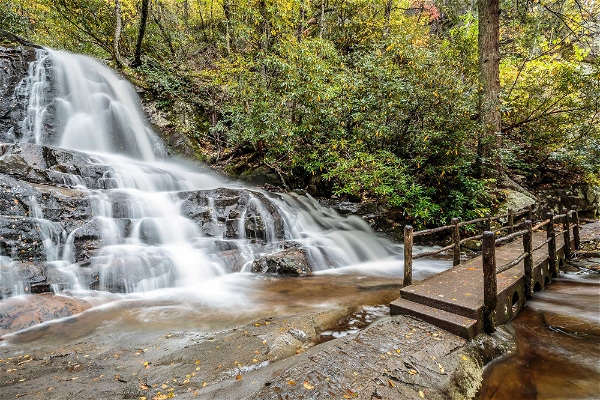 The 7 Best Waterfalls in the Great Smoky Mountains
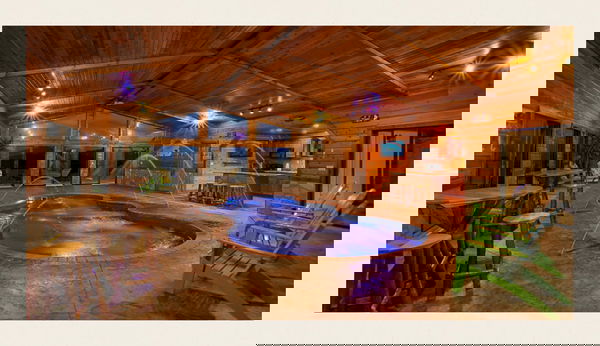 Luxury Gatlinburg Cabins Indoor Pool: Your Complete Guide to Year-Round Swimming in the Smokies
 The 8 Best Spots To Listen To Live Music in Gatlinburg
