
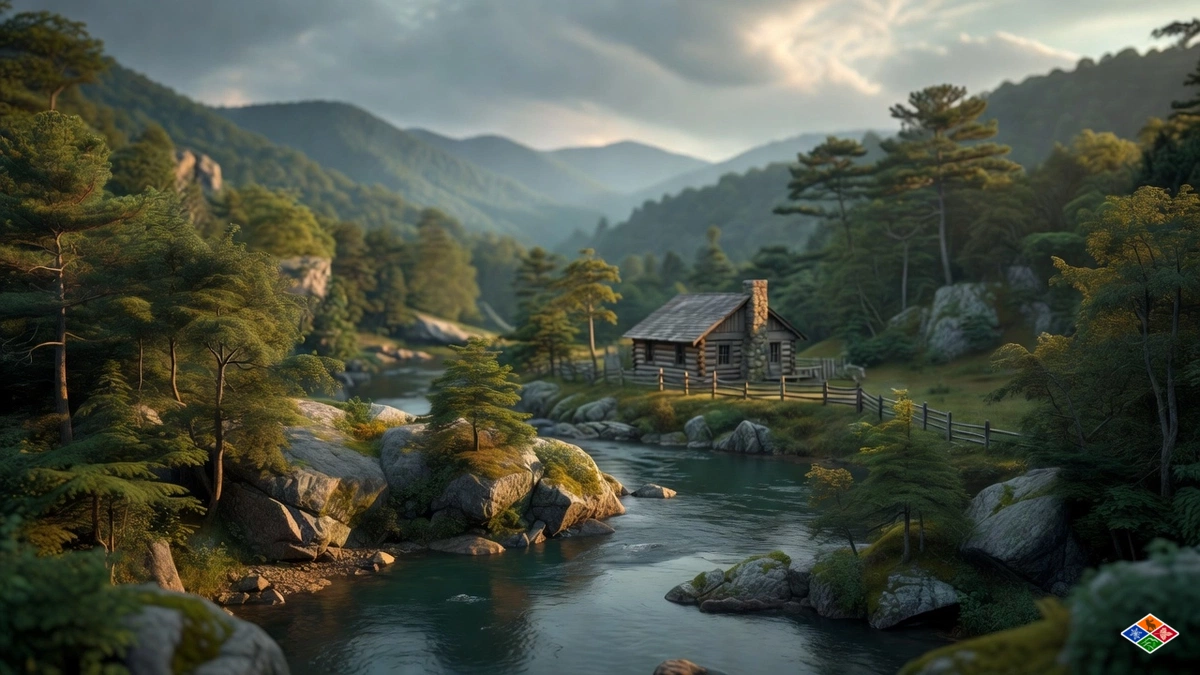
Picture this: you’ve made it to Gatlinburg and the Smoky Mountains, you’ve hiked a trail or two, grabbed some taffy on the main strip, and now you’re wondering, “What else is around here?” Good news, you’ve landed in one of the most adventure-packed corners of the entire Southeast.
Whether you’re traveling with family, a partner, or just flying solo, there are so many incredible places to visit near me and you that most people never even know about. From charming mountain towns to hidden waterfalls and quirky roadside attractions, this region has way more to offer than just the national park.
In this list, we’re breaking down the best spots worth adding to your Smoky Mountains itinerary. These are beginner-friendly destinations that are easy to get to and won’t require a ton of planning. So if you’re already in the area or thinking about making the trip, keep reading. You’re about to discover some seriously underrated gems that will make your whole visit even more memorable.
If you’re wondering what “nearby” actually means when you’re staying in Gatlinburg, you’re in the right place. Location is everything here, and the good news is that this little mountain town punches way above its weight when it comes to proximity to incredible experiences.
Gatlinburg proudly calls itself the “Official Gateway to the Smokies”, and that title isn’t just marketing fluff. The town sits literally at the entrance to Great Smoky Mountains National Park, the single most visited national park in the entire United States, drawing roughly 9 million visitors every year. You can actually walk from downtown Gatlinburg straight into the park, which is something very few towns anywhere in the country can say.
Here’s a simple way to think about the distances from our cabins:
0 to 10 minutes: You’re looking at the Gatlinburg Parkway with its restaurants, shops, and arts scene, plus the GSMNP Sugarlands Visitor Center entrance. This is your everyday backyard.
15 to 20 minutes: Head up the Parkway and you’ll hit Pigeon Forge, Dollywood, and Ripley’s Aquarium of the Smokies. Keep in mind that during peak summer and fall foliage season, traffic can stretch these drives considerably.
20 to 30 minutes: The Roaring Fork Motor Nature Trail, Alum Cave Trail trailhead, and Ole Smoky Moonshine Distillery all fall comfortably in this range.
45 to 60 minutes: Clingmans Dome, the scenic Cades Cove Loop Road, and whitewater rafting near Hartford, TN round out your wider exploration zone.
Gatlinburg sits in Sevier County, East Tennessee, nestled deep in the Appalachian Mountains. Because of its location, tens of millions of Americans across the Southeast and Midwest can reach it within a 500-mile drive, making it one of the most accessible mountain escapes on the map.
Let’s be honest: if you’re staying in Gatlinburg, the Great Smoky Mountains National Park isn’t just a nearby attraction. It’s practically your backyard.
This is the single most visited national park in the entire United States, welcoming approximately 9 million visitors every year. To put that in perspective, that’s more than Yellowstone and the Grand Canyon combined. People from all over the country make the trip here, and it’s easy to understand why once you’re standing in the middle of it.
One of the biggest reasons the park draws such massive crowds is that it charges no entrance fee. That’s genuinely rare. Most major national parks charge admission, but the Smokies have maintained a free-entry policy rooted in historical agreements dating back decades. Just note that since March 2023, a parking tag is required for most areas, so budget a small amount for that even though admission itself remains free.
What really makes this park special for groups of all kinds is the sheer variety of things to do. You can hike a short, paved nature trail with the grandparents, fly fish a crystal-clear mountain stream, take a scenic auto tour, join a ranger-led program, or watch the hillsides transform into a sea of color during fall foliage season. There is genuinely something here for every age, ability level, and interest.
Best of all, the main Sugarlands Visitor Center entrance sits less than 10 minutes from Gatlinburg, making it incredibly easy to pop in for a few hours or spend a full day exploring.
If you only make one stop inside the park, make it this one. Clingmans Dome sits at 6,643 feet above sea level, making it the highest point in the entire Smoky Mountains and the highest point along the full 2,190-mile Appalachian Trail. You are literally standing on top of the Eastern United States, and the views make every uphill step worth it.
Getting there is more manageable than you might expect. A short, half-mile paved trail leads from the parking lot to the observation tower at the summit. Yes, it’s steep, and yes, you’ll probably stop to catch your breath a few times (there are benches along the way for exactly that reason). But the whole hike is only one mile roundtrip, so it delivers a serious panoramic payoff without requiring a full-day backcountry commitment. Once you reach the top, the observation tower opens up to 360-degree views spanning the entire park canopy, and on a clear day you can see nearly 100 miles across.
Timing matters here. The road to the summit is open April through November, but typically closes December through March due to ice and dangerous winter road conditions. Summer and early fall are the sweet spots for visiting. If you are a photographer, early morning light in autumn is genuinely stunning.
One practical tip: arrive early. The parking lot fills up fast on summer mornings, and midday crowds can make the experience feel rushed. Check out the Clingman’s Dome Hike complete guide for a full breakdown of what to expect before you go.
If Clingmans Dome is the park’s most dramatic viewpoint, Cades Cove is its most beloved all-day experience, and it deserves a dedicated spot on your itinerary.
The centerpiece here is an 11-mile one-way loop road that winds through a wide, open valley completely surrounded by mountain ridges. What makes this drive special is that the valley’s open meadow setting is genuinely rare inside the heavily forested Smokies, giving you clear sightlines that you simply don’t get on most other park roads. Plan for the loop to take anywhere from three to four hours at a relaxed pace, and longer on busy weekends.
Those open meadows are also why Cades Cove is consistently ranked among the best wildlife-viewing drives in any national park in the entire country. White-tailed deer, black bears, wild turkeys, and groundhogs are all frequently spotted here. Your best odds come early in the morning or in the last hour before sunset, when animals are most active and the lighting is beautiful for photos.
Beyond the wildlife, Cades Cove layers in genuine history. Preserved homesteads, old churches, and a working grist mill sit right along the loop road, giving the drive a cultural richness that surprises a lot of first-time visitors.
One practical tip worth taking seriously: arrive before 9 a.m. on weekdays. Traffic backups mid-morning on peak summer and fall weekends are well-documented and can significantly slow your experience. This stop is perfect for families, grandparents, and anyone who wants a memorable park experience without lacing up hiking boots.
Think of Roaring Fork Motor Nature Trail as Cades Cove’s quieter, more accessible sibling. This 5.5-mile one-way scenic loop starts just minutes from downtown Gatlinburg, making it one of the easiest in-park drives to reach from your cabin. You simply follow Airport Road south from Highway 441, and within a few miles you’re winding through dense old-growth forest with the sounds of rushing streams following you the entire way.
One of the biggest draws here is the history woven right into the drive. You’ll pass preserved 19th-century Appalachian homesteads, including the Noah “Bud” Ogle Place and the Ephraim Bales Cabin, where a family of eleven actually lived. Pull-off waterfalls are scattered throughout the route, and Place of a Thousand Drips is one you can see directly from your car window without ever stepping out.
Here’s a practical tip worth knowing: when Cades Cove gets backed up for miles on busy summer weekends, Roaring Fork tends to flow much more smoothly. The narrow, one-way road design naturally keeps traffic moving, so this is a smart swap on crowded Saturday mornings.
Plan your visit between approximately April and late November, because the road closes completely in winter. RVs, trailers, and vehicles longer than 25 feet are not permitted, so your standard passenger car or SUV is the right call here. Budget roughly one to two hours with stops, and you’ll leave feeling like you actually experienced the Smokies without committing to a full-day hiking itinerary.
If you’re ready to actually hike in the Smokies, Alum Cave Trail is the one locals and repeat visitors mention first. The trailhead sits right on Newfound Gap Road, about 6.8 miles south of Sugarlands Visitor Center, making it an easy drive from your Gatlinburg cabin. It’s consistently ranked among the most rewarding trails in the entire park, and once you’re on it, you’ll immediately understand why.
The main destination for most hikers is Alum Cave Bluffs, a massive concave rock overhang that towers 75 to 80 feet high. According to the National Park Service, the round trip to the Bluffs is approximately 4.6 miles. Along the way, you’ll cross log bridges, walk through old-growth forest, squeeze through Arch Rock (a cool natural tunnel formation), and reach Inspiration Point at around the 2-mile mark. The views get better with every step.
For serious hikers, the trail continues all the way to the summit of Mount LeConte at 6,593 feet, turning it into a strenuous 10-mile round trip that will fill your entire day. That full route is best saved for experienced hikers in good physical condition.
Families with kids aged 8 and older tend to do really well on the lower section to Arch Rock, which is well-maintained and manageable. Planning tip: a parking pass is required during peak season, and the NPS warns of extreme crowding. Arrive early, or you may be turned away before you ever hit the trail.
Not everyone visiting Gatlinburg wants to lace up hiking boots to get a jaw-dropping mountain view, and that’s exactly where Gatlinburg SkyLift Park earns its spot on this list. The star attraction here is the SkyBridge, the longest pedestrian cable suspension bridge in North America, stretching 680 feet across a mountain gap high above downtown Gatlinburg. What makes it genuinely memorable are the glass-floored viewing panels built into the center of the bridge. Standing on them and looking straight down into the valley below is the kind of moment that either thrills you completely or makes you grip the railing a little tighter. Either way, you’ll be talking about it at dinner.
The park sits right along the Gatlinburg Parkway, which means it fits naturally into a downtown day. You can browse the shops, grab a meal, and still squeeze in the SkyBridge without feeling rushed. The SkyLift chairlift carries you up to Crockett Mountain’s summit, delivering above-the-treeline views of the surrounding Smokies ridgelines without a single switchback trail required. It’s genuinely accessible for grandparents, young kids, and everyone in between.
Admission fees apply, and TripAdvisor reviewers consistently recommend purchasing tickets in advance, especially during peak summer weekends and fall foliage season when lines can build quickly. Buying online ahead of your visit saves time and stress. Children ages 5 and under are always free, making this a smart pick for multigenerational groups looking for a shared, low-effort experience with a serious wow factor.
If the SkyLift Park gave you a taste of mountaintop views, Anakeesta takes that concept and builds an entire village around it. This award-winning mountaintop theme park sits right in the heart of Gatlinburg and is accessible directly from the Parkway via a scenic gondola-style Chondola ride. The ascent alone is worth it, but what waits at the top is a fully built-out destination with sweeping views of the Great Smoky Mountains in every direction.
Once you’re up there, you have a full day’s worth of things to do. The AnaVista Tower puts you at downtown Gatlinburg’s highest vantage point with 360-degree panoramic views. The Treetop Skywalk stretches over 1,000 feet of suspended bridges hanging more than 60 feet above the forest floor. Beyond that, you’ll find zip lines, a TreeVenture challenge course, gem mining, live entertainment in Black Bear Village, and multiple dining options including the Clifftop Restaurant and Smokehouse BBQ. TripAdvisor recommends budgeting more than three hours, and honestly, most guests find they could spend even longer.
Anakeesta opened in 2017 and has been growing its offerings ever since, with new experiences continuing to roll out through 2026. It’s a particularly great fit for families, mixed-age groups, and anyone who wants adventure with amenities built right in.
Couples, take note of the evening experience. As the sun drops, fire pits are lit across the village, the lights of Gatlinburg glow below, and the entire atmosphere shifts into something quieter and more romantic. The Astra Lumina nighttime enchanted forest walk is an add-on worth considering for a memorable mountain evening.
Just a short drive from Gatlinburg (roughly 15 to 20 minutes up the road in Pigeon Forge), Dollywood is one of the most celebrated theme parks in the entire country. This isn’t just regional hype either. Dollywood has won the Applause Award, widely considered the theme park industry’s highest honor, and TripAdvisor named it the #1 theme park in the United States in both 2022 and 2024 based on real guest reviews. It also took home the Golden Ticket Award for Best Park in the World in 2023. For a park nestled in the Smoky Mountains, that’s a pretty remarkable resume.
Inside the park, you’ll find award-winning roller coasters, world-class live music shows, and authentic Appalachian craft demonstrations that give Dollywood a cultural depth you won’t find at most theme parks. Summer visitors can also add on Dollywood’s Splash Country, a separate water park that’s perfect for hot Tennessee afternoons. Note that Splash Country requires its own ticket, so plan accordingly.
One of the best things about Dollywood is how well it anchors the entire calendar year. Spring brings the Flower and Food Festival, summer features the Smoky Mountain Summer Celebration, fall rolls into the beloved Harvest Festival, and the park closes out the year with Smoky Mountain Christmas running from November through early January.
Dollywood is an ideal fit for families with kids of all ages and large groups who want a structured, full-day entertainment experience. It’s less suited for guests whose main goal is hiking and nature exploration. And here’s a practical tip worth remembering: buying tickets online in advance saves a noticeable amount compared to paying at the gate, which adds up quickly for families.
After a full day of hiking trails and soaking in mountain views, Gatlinburg’s Parkway transforms into a lively evening destination, and the moonshine trail is one of its most memorable stops. East Tennessee has deep Appalachian roots in moonshine production, and the local distilleries aren’t just tourist gimmicks. They’re working operations that celebrate a genuine piece of regional history. Several distilleries along the Parkway offer free tastings, guided tours, and retail sales, making this a surprisingly affordable and culturally rich evening activity.
Ole Smoky Distillery is the anchor of it all. Widely recognized as the most visited distillery in the United States, it draws crowds with live mountain music, a buzzing social atmosphere, and an impressive lineup of flavored whiskeys and moonshines. From apple pie to blackberry to straight white lightning, there’s something for every palate, whether you’re a whiskey enthusiast or just curious.
Sugarlands Distilling Company is another crowd favorite worth adding to your evening. Its spacious tasting room and regular live performances make it feel less like a distillery visit and more like a full night out.
The best part is that these stops are all clustered along a walkable stretch of the Parkway, so visiting two or three in one evening is completely doable without any driving. This makes the moonshine trail especially perfect for adult groups, couples, and multigenerational families where the adults want a relaxed cultural experience after an active day outdoors.
If you’re looking for a slower, more soulful afternoon away from the bustle of the main Parkway, the Gatlinburg Arts and Crafts Community might be the most rewarding stop on your entire trip. Known locally as the Glades Area, this is the largest independent living craft community in the United States, and it stretches across an 8-mile loop of working studios, galleries, and artisan shops just a few minutes outside downtown Gatlinburg.
What makes this place genuinely special is that it’s not a shopping mall dressed up to look rustic. These are real working studios where over 100 local artists and craftspeople create their work right in front of you. You can watch a glassblower shape molten art, see a potter throw clay on a wheel, or talk directly with a woodworker about a piece they’re carving by hand. Weaving, painting, and jewelry-making are all part of the mix too. It’s the kind of experience that slows you down in the best possible way.
Timing matters here. If you visit in mid to late October, the tree canopy surrounding the loop peaks in full fall color, turning a casual gallery drive into something genuinely beautiful. The natural backdrop makes even a simple afternoon of browsing feel memorable.
This spot works especially well for couples, adults, and multigenerational groups who appreciate handmade goods and local culture over souvenir shops. It’s a quieter, more culturally rich alternative that pairs perfectly with a relaxed evening back at your cabin.
About 30 to 40 minutes from Gatlinburg off I-40 near Hartford, Tennessee, the Pigeon River is one of the most accessible and exciting day trips you can add to your Smoky Mountains visit. The best part is that there are two completely different rafting experiences here, so no matter who is in your group, there is something that fits.
The Upper Pigeon is the one you want if you’re chasing a genuine adrenaline rush. This stretch features Class III-IV rapids with enough power to get everyone in your raft screaming and laughing at the same time. Most outfitters welcome guests aged 8 and older, though requirements can shift based on water levels, so it’s worth confirming with your chosen outfitter when you book. Trips typically run about 1.5 to 2 hours on the water.
The Lower Pigeon is a completely different vibe. It’s a calm, scenic float with Class I-II water, genuinely well-suited for families with young children, first-time rafters, or anyone who simply wants to enjoy the river without the intensity. Multiple outfitters operate from the Hartford put-in area, and many offer guided half-day packages that make planning straightforward even if you’ve never rafted before.
Peak season runs spring through early summer when water levels are highest, but summer and early fall trips are widely available too. One practical tip: spots fill up fast during peak weeks, so booking ahead is a smart move rather than showing up and hoping for availability.
When the weather doesn’t cooperate, or you simply want a break from the trails, Ripley’s Aquarium of the Smokies delivers one of the best indoor experiences in all of Gatlinburg. Sitting right in the heart of downtown, this aquarium is consistently ranked among the top aquariums in the country, and it draws over one million visitors every single year. That reputation is well earned.
The signature experience here is a 340-foot underwater tunnel where you literally walk through a shark tank. A slow-moving glide path carries you past sharks, sea turtles, and stingrays while they swim overhead and on all sides. Beyond the tunnel, you’ll find touch pools, a stingray bay, a penguin playhouse, and rotating exhibits that keep the experience feeling fresh even on a return visit. The penguin playhouse alone is worth the trip, with acrylic crawl tunnels that put you nose-to-nose with endangered African black-footed penguins.
Plan for two to three solid hours here. This is a weather-independent experience, which makes it a smart call on rainy days or as an arrival and departure day activity when a full outdoor itinerary isn’t realistic. Families with young kids tend to love it most, but the interactive exhibits hold the attention of adults just as easily.
One practical note: advance ticket purchase online is strongly recommended during peak summer weeks and holiday weekends. The aquarium gets busy, and buying ahead saves both time and stress.
One of the most common questions first-time visitors ask is simple: “When should I go?” The honest answer is that every season in the Smokies offers something genuinely worth the trip. The real question is what matters most to you.
Spring is the secret weapon of Smoky Mountains travel. The park comes alive with over 1,500 species of flowering plants, and wildflower blooms typically peak around mid-April at lower elevations. You’ll spot trilliums, violets, and native azaleas carpeting the forest floor in ways that are genuinely hard to describe until you see them in person. On top of that, spring rainfall and snowmelt push waterfalls to their fullest and most dramatic, making hikes along Roaring Fork and into Cades Cove especially rewarding. Whitewater rafting on the Pigeon River also kicks into high gear as water levels run strong through spring. Crowds are noticeably lighter than summer, and temperatures are mild enough for long days on the trail without overheating. If you want the full visual payoff with a little more breathing room, spring earns its reputation as one of the most underrated times to visit.
Summer is when the Smokies hit full stride. Every trail, scenic road, and attraction is fully operational, daylight hours stretch long into the evening, and the energy on Gatlinburg’s Parkway is contagious. Dollywood’s Summer Celebration brings performances and events, the river outfitters are busy with tubers and rafters, and the higher-elevation trails offer a welcome escape from valley temperatures that can climb into the upper 80s and 90s. Here is the honest trade-off though: summer is also when Gatlinburg earns its reputation for crowds. In fact, a 2026 study ranked Gatlinburg as the second most tourist-overrun city in the United States based on visitor-to-resident ratios and booking density. That makes the value of a secluded mountain cabin particularly clear. After a full day surrounded by people, having your own private retreat with a mountain view, a game room, or an indoor heated pool waiting for you changes the entire experience.
Fall is the Smokies’ most photographed season, and it earns that title every year. Foliage typically peaks at higher elevations like Kuwohi around mid-to-late October, then works its way down to Gatlinburg and the valley floor by early November. Dollywood’s Harvest Festival, Gatlinburg’s Oktoberfest, and the Arts and Crafts Community operating against a backdrop of gold and crimson hillsides all overlap during this window. It is genuinely one of the most visually stunning periods anywhere in the eastern United States. Plan ahead though; peak foliage weekends fill up fast.
Winter is the most undersold season in the Smokies, and that is exactly what makes it so good. Crowds drop significantly, cabin rates are typically lower, and the whole region takes on a quieter, more intimate character. Ober Gatlinburg opens for skiing and snow tubing, Dollywood Smoky Mountain Christmas runs through early January, and Cades Cove remains accessible even when Clingmans Dome Road closes for the season. Locals consistently point to the week after Thanksgiving as a particularly sweet spot, when holiday traffic clears but Christmas programming is in full swing. If budget and elbow room matter to you, winter deserves a serious look.
Let’s be direct about something most travel guides gloss over: Gatlinburg is genuinely, measurably crowded. A 2026 study ranked Gatlinburg as the second most tourist-saturated city in the entire United States, trailing only West Yellowstone, Montana. The ranking was based on tourist-to-resident ratio, visitor growth, booking volume, and short-term rental density. That is not a minor footnote you can plan around with optimism. It is a structural reality that rewards visitors who build a real strategy before they arrive.
The single most powerful move you can make is arriving early. Both Cades Cove and Clingmans Dome transform completely between early morning and mid-morning during peak season. The Clingmans Dome parking lot can go from open and relaxed at 9:30 a.m. to completely packed with circling cars by 10:30 a.m. That is a one-hour window. Showing up before 9 a.m. gives you an entirely different experience at both locations, with breathing room, better photos, and significantly less stress.
Choosing where you enter the park also makes a real difference. Newfound Gap Road carries the heaviest traffic volume on any peak summer day. The Cosby area of the park sits on the quieter northeastern edge and offers excellent trail access without the gridlock. Roaring Fork Motor Nature Trail, which the earlier section covered as a scenic loop, is another smart alternative to the main corridor. Both options let you experience the same breathtaking park with a fraction of the congestion.
For paid attractions like Dollywood and Anakeesta, timing your visit mid-week rather than on a Saturday or Sunday is a simple switch that pays off in shorter lines and a more relaxed pace. Weekends during peak season draw measurably heavier crowds, and the difference in wait times is noticeable.
The most effective strategy, though, is having somewhere worth retreating to. When the afternoon crowds build on the Parkway and the parking lots fill up, Elk Springs Resort guests can simply head back to a fully private cabin with an indoor heated pool, game room, and theater room. Recharge completely, skip the traffic, and head back out the next morning refreshed. That rhythm is how you actually enjoy everything Gatlinburg has to offer without burning out halfway through your trip.
After spending a full day working through everything on this list, where you sleep matters more than most people expect. Elk Springs Resort manages luxury cabins in Gatlinburg ranging from 1 to 9 bedrooms, placing you within minutes of virtually every attraction covered in this guide, from the Sugarlands Visitor Center entrance to the Pigeon Forge corridor where Dollywood sits.
The size range is genuinely practical. Couples and honeymooners fit naturally into a 1 or 2 bedroom cabin with all the privacy and romance of a mountain retreat. Families traveling with kids tend to land in the 3 to 5 bedroom range, with enough space so everyone isn’t on top of each other after a long day in the park. Groups planning reunions, multigenerational trips, or big friend gatherings can scale all the way up to 9 bedrooms, which turns what could be a logistical headache into one seamless experience under one roof.
What genuinely sets these cabins apart is that the amenities make the cabin itself a destination. Indoor heated pools, theater rooms, game rooms, hot tubs, and sweeping mountain views mean your evening itinerary is already sorted before you even leave the trail. After a long hike up Alum Cave or a full day at Anakeesta, coming back to your own private pool or a theater room with the whole group is a completely different experience than collapsing in a hotel corridor.
Seclusion is the other major factor worth naming directly. As noted earlier in this guide, Gatlinburg ranks among the most tourist-saturated cities in the country. Elk Springs cabins are tucked into the mountains above the town, offering genuine privacy that the Parkway hotel strip simply cannot replicate.
Ready to find your perfect fit? Browse cabins by size at Elk Springs Resort, or head over to the Complete Gatlinburg Travel Guide if you want a full itinerary framework before you book.
What are the best things to do near Gatlinburg, TN?
The short answer is: a lot. From the 800-plus miles of hiking trails inside Great Smoky Mountains National Park to the wildlife loop at Cades Cove, the options for outdoor adventure alone could fill a week. Add Dollywood in Pigeon Forge, the mountaintop experience at Anakeesta, and the moonshine distillery trail along the Parkway, and you have a destination that genuinely works for almost any group. The best itinerary really depends on who you are traveling with and when you are going. Families with kids tend to anchor around Dollywood and Ripley’s Aquarium; couples and hikers lean heavily into the park itself; and groups who want a mix of everything will find plenty in between.
Is Great Smoky Mountains National Park free to enter?
Yes, GSMNP charges no entrance fee, which makes it genuinely unusual among major U.S. national parks. However, you are not entirely without costs. A parking tag is required at many trailheads, starting at $5 per day. In 2026, Timed Entry Permits are also required at select high-traffic trailheads during peak periods. Check Recreation.gov before you arrive so you are not caught off guard at the trailhead.
How far is Dollywood from Gatlinburg?
Under normal traffic conditions, Dollywood is about 15 to 20 minutes up the Parkway in Pigeon Forge. On peak summer and fall weekends, build in extra buffer time because Pigeon Forge traffic can add significant time to that drive.
When is the best time to visit the Smoky Mountains?
Every season offers something worth the trip. Mid-October fall foliage and mid-April wildflower season are the two most visually stunning windows. Winter brings the fewest crowds and the lowest cabin rates, with snow-dusted peaks as a bonus. Summer is the busiest and most congested period overall.
How close are Elk Springs Resort cabins to Great Smoky Mountains National Park?
The Sugarlands Visitor Center entrance to GSMNP is approximately 10 minutes or less from Elk Springs Resort cabins. For visitors who want to beat the early-morning crowds to popular trailheads, that proximity is a genuine advantage that is hard to overstate.
Everything on this list, from the free national park to the whitewater rapids to the mountaintop theme parks, sits within roughly 30 to 45 minutes of your cabin door. That kind of density is rare, and it’s the main reason the Smoky Mountains consistently draws visitors from across the Southeast and beyond.
Most guests discover pretty quickly that a weekend isn’t enough. Plan for at least 4 to 5 nights to make a genuine dent in what this region offers. Many visitors leave already thinking about which season to come back for, because fall foliage, spring wildflowers, summer tubing, and winter cabin nights each deliver something completely different.
Elk Springs Resort’s luxury cabins range from cozy one-bedroom retreats to nine-bedroom group escapes, with amenities like indoor heated pools, theater rooms, and game rooms built right in. Whatever your group size or travel style, there’s a cabin that fits.
Ready to make it happen? Check availability and book your cabin today. And if your trip is still a few weeks out, bookmark this guide now so it’s ready when you start mapping out your itinerary.
The Smoky Mountains region is so much more than just Gatlinburg and the national park. From charming small towns and hidden waterfalls to quirky attractions and scenic drives, this corner of the Southeast is overflowing with experiences worth exploring. The best part? Most of these gems are easy to reach, budget-friendly, and perfect for any type of traveler.
Whether you have one extra day or an entire week to explore, adding even a few of these spots to your itinerary will completely transform your trip. You will leave with better stories, better photos, and a much deeper appreciation for this incredible region.
Ready to start planning? Bookmark this guide, share it with your travel crew, and start mapping out your perfect Smoky Mountains adventure. The mountains are calling, and now you know exactly where to answer.
 Wedding Chapels in Pigeon Forge, TN: Your Complete Guide to an Intimate Smoky Mountain Wedding
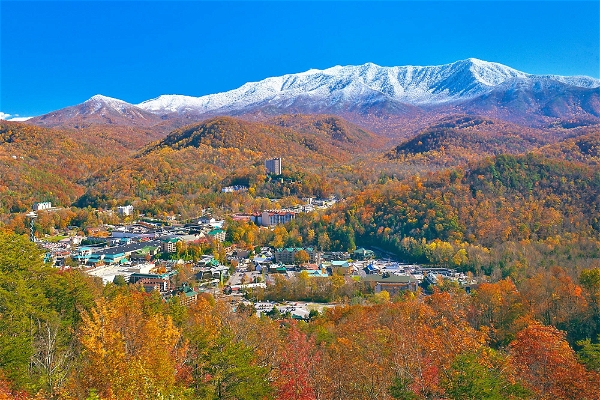 Smoky Mountains in the Fall: The Complete Travel Guide
 How To Get a deal on a Gatlinburg Cabin Rental
 Where to Eat in Gatlinburg During Thanksgiving
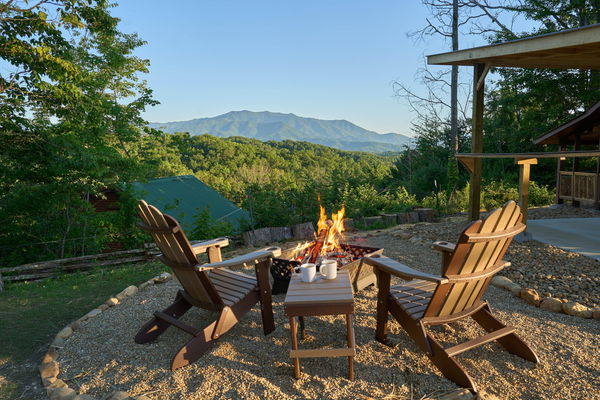 Privately Owned Cabins for Rent in Gatlinburg TN
 The Ultimate Pet-Friendly Cabin Packing List for Your Smoky Mountain Escape
