
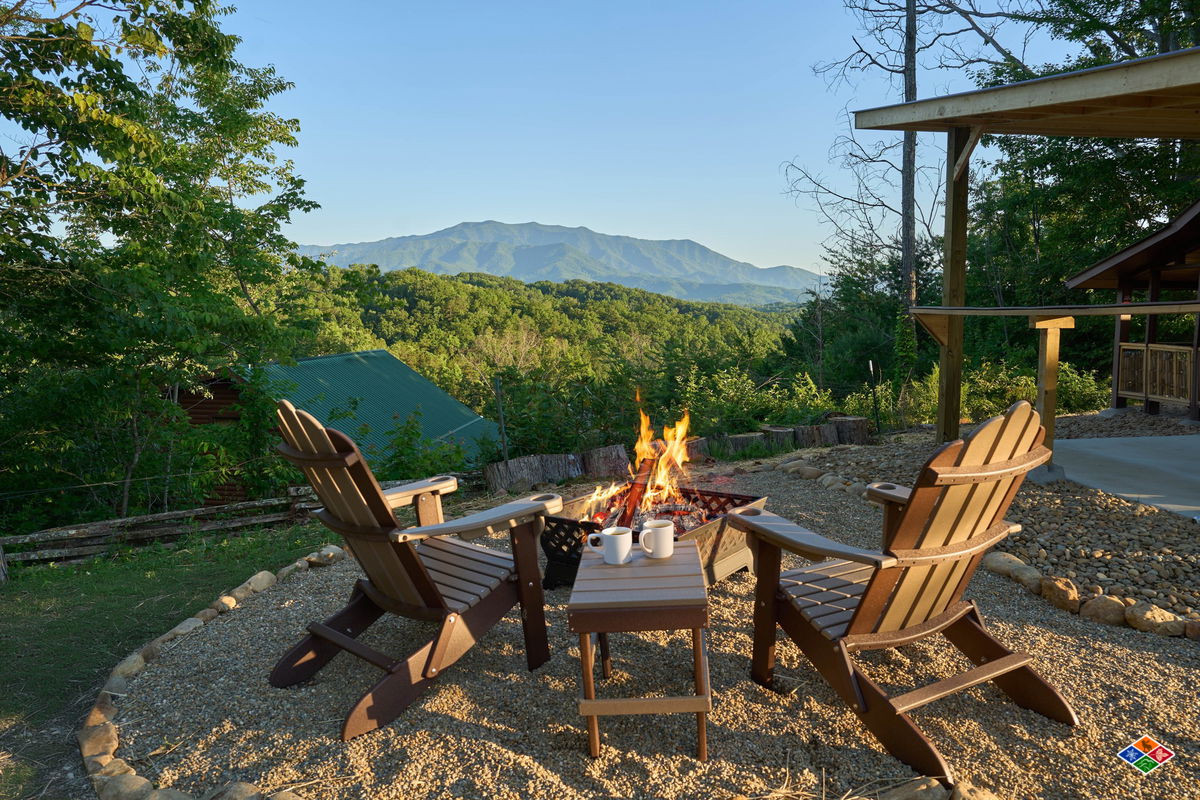
The Appalachian Mountains in Tennessee represent one of the most geologically significant and recreationally beloved landscapes in the southeastern United States. This ancient mountain range stretches across the eastern portion of the state, encompassing 74.7 miles of the Appalachian Trail and reaching elevations up to 6,625 feet at Clingmans Dome—the highest point in Tennessee.
This guide covers the billion-year geological formation of Tennessee’s mountains, the diverse recreational opportunities they offer, and the cultural heritage that makes this region unique. Whether you’re an outdoor enthusiast planning backcountry adventures, a history buff curious about the ancient forces that shaped these peaks, or a vacation planner seeking practical guidance, this content addresses your needs directly.
Why do over 11 million visitors choose Tennessee’s Appalachian region annually? The combination of ancient geological grandeur, accessible hiking trails, diverse plant and animal species, and authentic mountain culture creates an experience unmatched elsewhere in the eastern United States.
After reading this guide, you will understand:
The Tennessee Appalachians form part of a massive mountain chain extending from Newfoundland to Alabama—the longest mountain range in eastern North America. Within Tennessee, these mountains define the state’s eastern border with North Carolina and Virginia, creating a landscape of dramatic ridges, deep valleys, and forested slopes.
Tennessee’s Appalachian region encompasses elevations ranging from approximately 1,000 feet in the valley floors to over 6,000 feet along the state line with North Carolina. The terrain shifts from gentle slopes in the western foothills to rugged, rocky peaks in the high elevations of the Great Smoky Mountains.
The region includes Cherokee National Forest—Tennessee’s only national forest—spanning over 650,000 acres across ten counties. This forest connects to Great Smoky Mountains National Park, creating one of the largest protected wilderness corridors in the southern Appalachian ecosystem.
Several distinct ranges define Tennessee’s mountain landscape:
Great Smoky Mountains dominate the southeastern border, featuring the highest peak in the state at Clingmans Dome (6,643 feet) and Mount Le Conte (6,593 feet), accessible via multiple hiking trails from Gatlinburg.
Unicoi Mountains extend along the North Carolina border, featuring grassy balds and spectacular views that attract hikers seeking less crowded alternatives to the Smokies.
Iron Mountains form part of the border with Virginia, characterized by numerous peaks and the distinctive ridge patterns created by ancient geological forces.
These geographic features directly result from over a billion years of geological activity—a story that makes Tennessee’s mountains among the oldest on Earth.
The mountains visible across eastern Tennessee today represent the worn remnants of peaks that once rivaled the modern Himalayas in height. Understanding this ancient history reveals why the landscape looks as it does.
The Appalachian Mountains began forming approximately 1.1 billion years ago during the Grenville Orogeny, when the supercontinent Rodinia assembled through massive tectonic collisions. These forces created the crystalline core rocks—mica gneisses, hornblende gneisses, and granitic formations—that still form the heart of Tennessee’s Blue Ridge.
Between 600 and 560 million years ago, volcanic activity along tectonic margins created additional mountain-building material. Evidence of this volcanism remains visible throughout the Blue Ridge region, where dikes and sills intrude into overlying rock layers.
The most significant mountain-building event for Tennessee’s current landscape was the Alleghanian Orogeny, beginning 325 million years ago when the supercontinent Pangea assembled. Africa collided with North America, creating a complexly thrust-faulted and folded terrain. Mountains rose to heights possibly exceeding 15,000 feet—far taller than today’s peaks.
Modern elevations reflect hundreds of millions of years of erosion. By the end of the Mesozoic Era, the Appalachians had worn to an almost flat plain. Uplift during the Cenozoic Era caused streams to rapidly cut downward into ancient bedrock, carving the distinctive ridge-and-valley landscape that characterizes the region today.
The Cherokee Nation maintained deep connections to Tennessee’s mountains for centuries before European contact. The mountains provided hunting grounds, medicinal plants, and spiritual significance. Place names throughout the region—including the Great Smoky Mountains themselves—reflect Cherokee linguistic heritage.
European settlement patterns followed the natural pathways created by rivers and valleys. The mountain terrain isolated communities, fostering distinct cultural traditions that persist today. Towns in the region developed around strategic gaps and valley floors where travel was possible.
Tennessee’s mountains held strategic importance during the Civil War, with their terrain influencing troop movements and battle locations. Control of mountain passes affected supply lines for both Union and Confederate forces throughout the western theater of the war.
Post-war decades brought logging and mining operations that dramatically altered forest composition. Early tourism initiatives began in the late 1800s as railroads made the region accessible. The establishment of Great Smoky Mountains National Park in 1934 protected the core mountain wilderness and set the stage for modern recreation.
The combination of accessible wilderness, diverse recreation, and authentic mountain culture draws visitors from across the world to Tennessee’s Appalachian region. Discover even more reasons to visit with 16 Things To Do in Wears Valley: Sightseeing, Shopping & Eating, where you can explore popular attractions, restaurants, and scenic spots in one of the area’s most beloved mountain communities.
Year-round recreational activities make Tennessee’s mountains a destination for every season:
Season | Primary Attractions | Considerations |
|---|---|---|
Spring | Wildflower blooms across forest floors; numerous waterfalls at peak flow; moderate temperatures at high elevations | Trail conditions may be muddy; unpredictable weather |
Summer | Full forest canopy; cool mountain temperatures 10-15°F below valley floors; longest daylight for hiking | Peak crowds; afternoon thunderstorms common |
Fall | Spectacular autumn colors peaking mid-October; clearer views through thinning trees; comfortable hiking temperatures | Heaviest visitation; advance reservations essential |
Winter | Snow-capped peaks; ice formations on waterfalls; solitude on trails | Some roads closed; shorter daylight; cold high elevations |
For the best balance of accessibility and natural beauty, consider visiting during September or early May when crowds thin but conditions remain favorable.
Appalachian cultural traditions remain vibrant throughout Tennessee’s mountain communities. Towns like Gatlinburg, Pigeon Forge, and Townsend serve as gateways to explore this heritage while providing modern amenities.
Traditional mountain music—the roots of country and bluegrass—continues at festivals and music venues throughout the region. Craft traditions including pottery, woodworking, and quilting connect visitors to centuries of Appalachian artistry.
Local cuisine features distinctive dishes born from mountain resourcefulness: country ham, soup beans, cornbread, and wild-harvested foods like ramps and blackberries.
Planning a Tennessee mountain vacation requires addressing several practical considerations.
Mountain weather changes rapidly, with conditions at high elevations differing significantly from valley floors. Temperature drops of 10-20°F occur between Gatlinburg and Clingmans Dome. Pack layers regardless of season, and check National Park Service weather forecasts before backcountry trips.
Peak season (June through October) requires advance reservations for lodging in gateway communities. Book accommodations 3-6 months ahead for fall color season. Consider staying in Townsend, Cosby, or Wears Valley for quieter alternatives to Gatlinburg and Pigeon Forge.
Backcountry camping in Great Smoky Mountains National Park requires permits and shelter reservations for designated sites along the Appalachian Trail. Apply through the park’s reservation system at least 30 days in advance for popular routes. Cherokee National Forest permits are generally less restrictive but vary by area.
Tennessee’s Appalachian Mountains offer a rare combination: billion-year-old geological history accessible via well-maintained trails, diverse plant and animal species protected within national forest and park boundaries, and living cultural traditions that connect visitors to Appalachian heritage.
To plan your visit:
Related topics worth exploring include specific trail guides for the Tennessee Appalachian Trail section, day hike options from Gatlinburg, and connections to adjacent regions in North Carolina, Georgia, and Virginia.
 Tubing in The Smoky Mountains: The Ultimate Guide
 Ribfest and Wings is Coming Soon to Gatlinburg, TN
 Pet Friendly Cabins with Private Indoor Pools
 Bowling, Racquetball and an Indoor Swimming Pool in Gatlinburg
 Luxury Gatlinburg Cabins Indoor Pool: Your Complete Guide to Year-Round Swimming in the Smokies
 Gatlinburg Cabin Deals: Unlocking the Best Cabin Rentals and Specials
